Waste Management Regulation
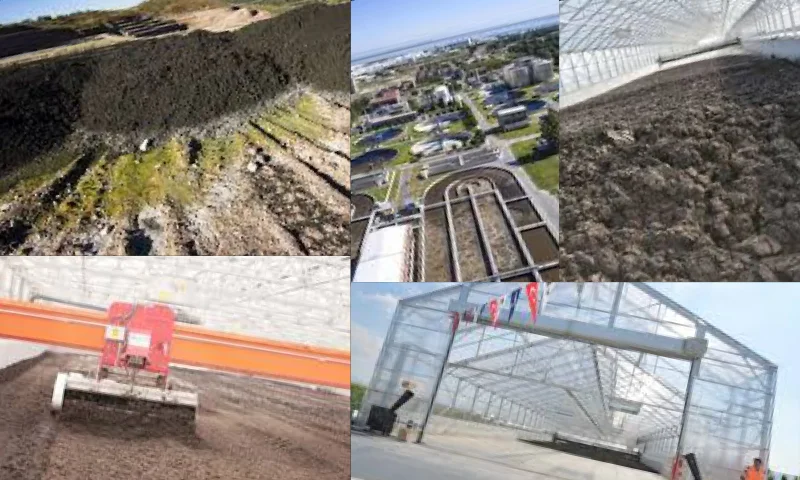
How Waste Management Should Be
The Waste Management Regulation, which regulates the collection of waste in accordance with its types from the source, the disposal of non-recyclable waste by specified methods, and the recovery of recyclable waste in a way that does not harm human and environmental health, was published in the Official Gazette in 2015. Within the scope of this regulation, you can get information on how waste should be collected professionally.
Waste Management Means Protecting Environmental and Human Health
The Waste Management Regulation is an official regulation that answers all the questions people wonder about waste. Failure to comply with the criteria specified in this regulation results in legal consequences. For this reason, especially manufacturing companies, which produce waste during the production phase, must fulfill their responsibilities, develop a professional waste management system, and dispose of solid, liquid, and gaseous waste they do not use through appropriate methods. Since a significant portion of waste consists of recyclable materials, such waste should be reused to contribute to the national economy, and legal procedures should be followed for this purpose. Professional waste management is a system developed for the proper storage and recycling of waste that threatens human health and pollutes the environment. The Waste Management Regulation, organized in accordance with European Union legislation, has established principles for waste collection, storage, disposal, and recycling that comply with specific criteria for human and environmental health and possess basic conditions and features. You can visit the ERALATIK.COM.TR page to get information on this subject from experts in the field.