
What are the Key Features of Structural Engineering Software?

Structural engineering software offers a set of key features that optimize the design, analysis, and detailing processes in construction projects. 3D modeling capabilities allow for the creation of detailed and precise models of structural elements. These models can include components such as beams, columns, foundations, as well as reinforcement and connection details. Static and dynamic analysis tools enable the evaluation of structural safety and durability by examining their behavior under various loads. The clash detection feature checks the compatibility of different structural components, allowing for the early detection of design errors. For information on this topic and to ask your questions, you can look at relevant online companies on web pages and examine them in detail from here.
How to Compare Structural Engineering Software? 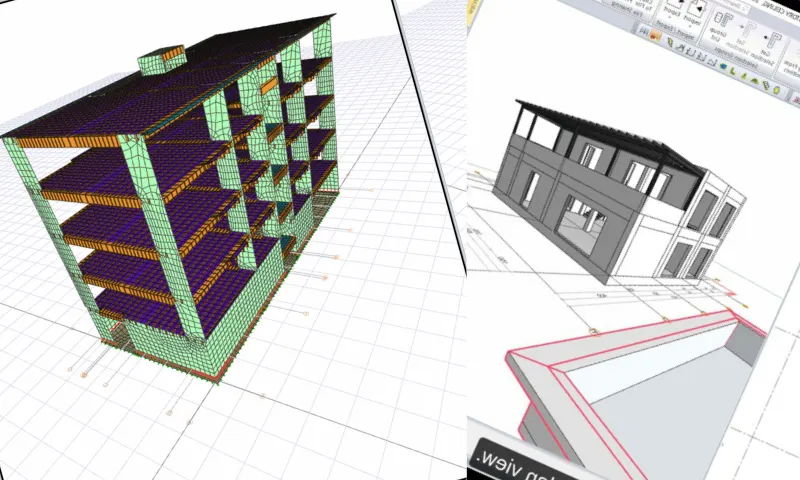
When comparing structural engineering software, the modeling and analysis capabilities provided by the software should be evaluated. The scope and accuracy of features such as 3D modeling, static and dynamic analysis, and clash detection are of great importance. User-friendly interfaces and training resources facilitate the learning and use of the software. The integration capabilities of the software should also be considered. The ability to exchange data with other structural engineering software and BIM software increases collaboration in projects. Pricing, licensing options, and the customer support offered by the software are also important factors.
How to Perform Seismic Analysis with Structural Engineering Software?
Structural engineering software offers powerful tools for performing seismic analysis. The first step is to create a 3D model of the structure. This model reflects the geometric and material properties of the structural elements in detail. Then, the software simulates seismic loads and calculates their effects on the structure. Seismic analysis involves examining the dynamic responses of structural elements, i.e., their behavior under the influence of seismic waves. In this process, methods such as modal analysis and time history analysis are used to calculate the frequencies, mode shapes, and displacements of structural elements.