What Are the Differences Between Classic and Modern Staircase Designs?
How to Choose the Right Staircase Design for Your Home Architecture?
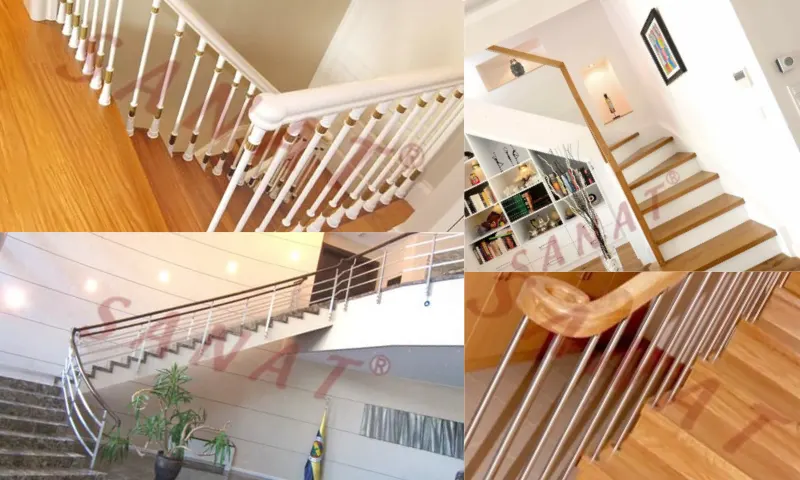
Staircase designs are one of the important elements that add an aesthetic touch to interior home architecture. The differences between classic and modern styles emerge in the materials used, shapes, and details. Classic staircase designs are characterized by the use of wood, with frequent intricate carvings and ornaments. This style can create a warm and contemporary ambiance by reflecting the overall atmosphere of the home in harmony with traditional architectural elements. On the other hand, modern staircase designs adopt a minimalist and simple approach. These designs, which frequently use industrial materials such as metal, glass, or concrete, draw attention with their clean lines and simple forms. You can visit the web address https://sanatmerdiven.com/merdiven-tasarimlari/ to see more about staircase designs.
How Are Staircase Designs Created?
Choosing staircase designs that are suitable for home architecture is important both aesthetically and functionally. When making a choice, it is necessary to consider the overall style and atmosphere of the home. In a classic home, a staircase with wooden details and ornaments may be more harmonious, while in a modern home, a staircase designed with minimalist and transparent materials might be a more suitable option. The usage needs of the home can also influence the design choice. For example, for families, stairs with wide treads and safe railings may be preferred, while in a smaller home, space-saving spiral or circular stairs might be more appropriate. Several important steps should be followed when creating staircase designs. The design should be made by considering the dimensions and shape of the existing space. This will help determine the position, slope, and overall shape of the staircase. Material selection is also of great importance during the design phase. A decision should be made among options such as wood, metal, glass, or a combination. Ergonomic factors should also be taken into account to provide ease of use and increase safety for users.