What is a Micro-Ohm Meter Used For?
How to Use a Micro-Ohm Meter?
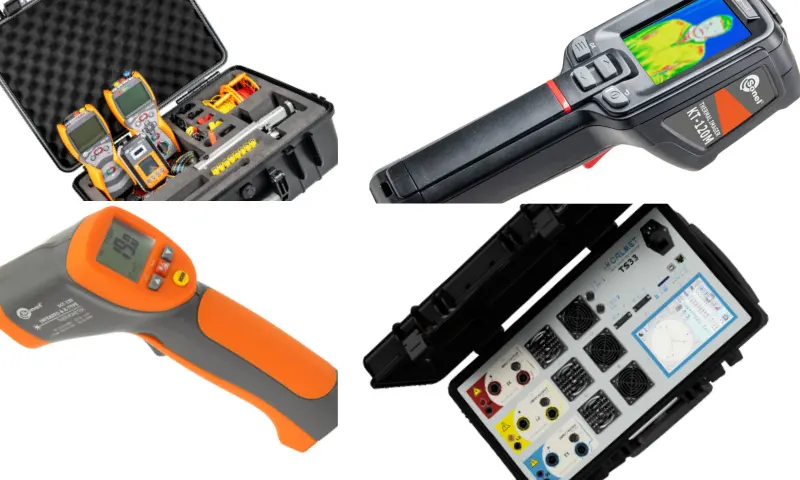
A micro-ohm meter is an electrical resistance measuring device used to measure low resistances. This device is capable of precisely measuring very small resistance values and is designed to measure resistances at the milliohm (mΩ) level. The sensitivity of micro-ohm meters ensures that low resistances are measured accurately. This feature is particularly important when evaluating the performance of electrical components and connection points. Micro-ohm meters are used in the electrical and electronics industries. These devices are critical in high-current applications, especially in power transmission lines and electric vehicles. They are also used in the maintenance and testing of electrical equipment. For more detailed information about micro-ohm meters, you can visit the web address https://merfaenerji.com/urun-kategori/direnc-test-cihazlari/.
What is the Role of Micro-Ohm Meters in Industrial Applications?
Using a micro-ohm meter requires specific steps to obtain accurate measurements. Ensure that the device is set up correctly. Micro-ohm meters have a specific measurement range and sensitivity, so it is important to ensure the device settings are correct before taking a measurement. To take a measurement, connect the component whose resistance you want to measure between the two probe connections of the micro-ohm meter. The device's display screen will show the resistance value with a certain precision. During measurement, ensure that the connection points are clean and firm, as dirty or loose connections can affect accurate measurement results. Micro-ohm meters play a critical role in industrial applications. These devices are capable of accurately measuring low resistances and are used in electrical conductivity tests. In industrial facilities, micro-ohm meters are preferred for evaluating the reliability and performance of critical equipment such as electric motors, generators, transformer connections, and high-current switches. These devices are used to measure contact resistance, especially in high-current applications and low-resistance connections. High contact resistance can lead to energy loss and overheating, which can affect equipment efficiency and cause failures.