
The History and Origin of Boza

Boza, a traditional beverage with its origins in Central Asia, has held an important place in Turkish culture for centuries. It was first produced by nomadic Turkish communities by fermenting grains such as millet, wheat, and barley. Thanks to its nourishing and energizing properties in the harsh climate conditions of Central Asia, boza was preferred for long journeys and in cold weather. According to historical sources, the history of boza dates back to the 8th century BC. Over time, with the migrations of the Turks, boza was carried to Anatolia and the Balkans, acquiring different taste and consistency characteristics in each region. In this regard, boza is accepted not only as a beverage but also as a cultural heritage. For information on this subject and to ask your questions, you can look at the relevant online companies on the internet pages and examine them in detail from here.
The History of Boza in the Ottoman Period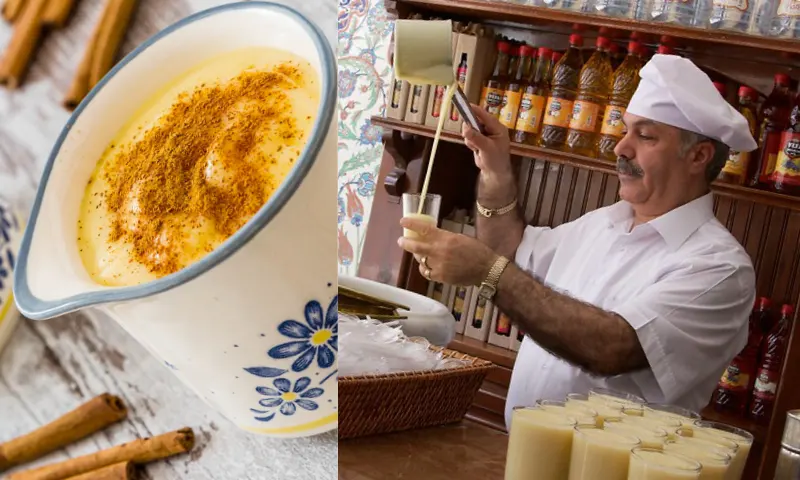
During the Ottoman Empire, boza was widely consumed both in the palace and among the public. Boza was particularly popular among the Janissaries; it was even believed to give strength to the soldiers. Special shops called "bozahane" were opened in Istanbul, and boza production became a profession. However, during the Ottoman period, there were occasional debates about whether boza was alcoholic. In some periods, boza, whose alcohol content increased due to a longer fermentation period, was banned, and later low-alcohol or non-alcoholic boza was re-allowed. This shows that boza has been at the center of social and religious discussions throughout history. In Ottoman cuisine, boza was served with cinnamon and roasted chickpeas, reaching its current traditional presentation.
The Historical and Cultural Importance of Boza Today
Today, boza is known as a nostalgic beverage consumed especially in winter months. Boza sellers roaming the streets shouting "Bozaaa" have become a cultural symbol extending from the past to the present. Thanks to modern production techniques, boza is now produced under more hygienic conditions and is also sold packaged. However, the taste and texture of boza made with traditional methods still hold a special value. The history of boza is an important element reflecting the continuity and cultural memory of Turkish cuisine. With its nourishing properties, probiotic effect, and story from the past, boza continues to be not just a beverage but a tradition passed down through generations.