Definition and Functions of the Meniscus
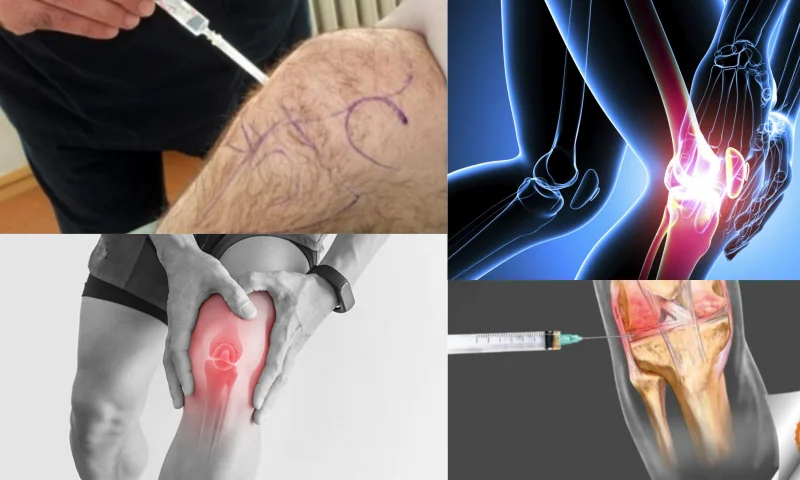
The meniscus is a C-shaped cartilage structure located in the knee joint. There are two menisci in each knee: the medial (inner) and lateral (outer) meniscus. Menisci regulate movement in the knee joint, act as shock absorbers, and provide joint stability. They also help protect the joint surfaces by distributing the load on the knee joint. Healthy menisci are important for a properly functioning knee joint. To get information on this topic and ask your questions, you can look at the relevant online companies on web pages and examine them in detail here.
Meniscus Injuries and Symptoms![]()
Meniscus injuries can occur due to reasons such as sports activities, knee trauma, or aging. Injuries typically result from sudden bending, twisting, or straining of the knee. Symptoms of meniscus injuries include knee pain, swelling, a feeling of locking, limited range of motion, and popping sounds. Symptoms can be mild or severe, depending on the severity of the injury. Once meniscus injuries are diagnosed, an appropriate treatment plan is determined.
Treatment and Rehabilitation of Meniscus Injuries
The treatment of meniscus injuries can vary depending on the type and severity of the injury, as well as the patient's age. For mild meniscus tears, conservative treatment methods such as rest, ice application, medication, and physical therapy may be preferred. However, severe injuries may require surgical intervention. Surgical options include meniscus repair or partial or complete removal of the meniscus. Post-surgical rehabilitation is important for strengthening the knee, regaining mobility, and returning to normal activities. Physical therapists assist in the treatment process by teaching patients appropriate exercises and movements. In conclusion, the meniscus is a cartilage structure in the knee joint that regulates joint movement, acts as a shock absorber, and provides stability. Meniscus injuries can occur due to sudden bending or trauma to the knee. Symptoms include pain, swelling, a feeling of locking, and limited range of motion. Treatment methods vary depending on the severity of the injury, and may require conservative treatment or surgical intervention. The rehabilitation process is important for strengthening the knee and regaining mobility. Meniscus injuries can be successfully managed with accurate diagnosis and appropriate treatment planning.