
IS BILE DUCT CANCER TREATABLE?
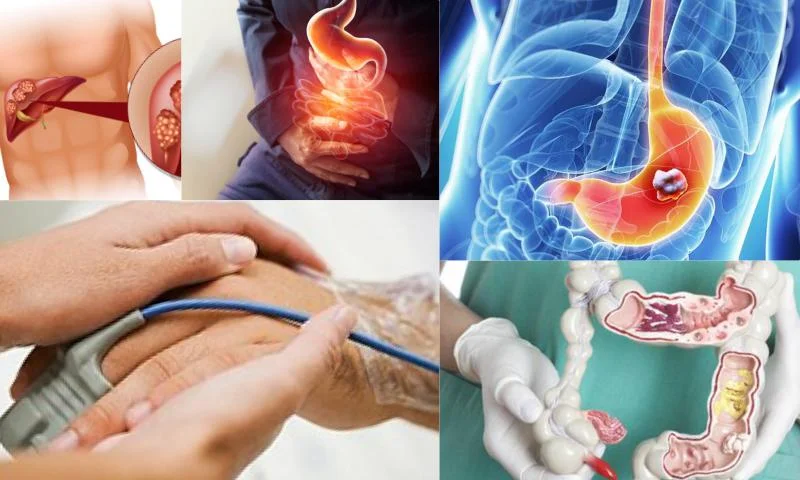
The Junction of the Bile Duct and the Liver Canal
The bile duct, which allows the fluid called bile in the body to move from the liver and gallbladder to the small intestine, consists of canals that act as a bridge between these areas. Bile is transported through the canals that function along the lines extending from the liver to the small intestine. Bile, produced in the liver, is transported to the relevant areas of the body through small ducts. Small ducts merge to form canals, and these canals merge to form the right and left hepatic ducts. Support can be obtained from specialists such as those for surgery. A connection is made to an area called the hilum for the formation of the common hepatic duct in these regions, known as intrahepatic bile ducts.
Vascular Structure and Lymph Nodes Are Considered
The gallbladder, a very small organ that stores bile, connects to the hepatic duct via cystic ducts. This resulting common bile duct empties into the first part of the small intestine. The bile duct has an important role in enabling these processes. Malignant cells occurring in these ducts can cause bile duct cancer. This type of cancer, which can occur in three different forms, is distinguished as intrahepatic, distal, and cholangiocarcinoma. Surgical methods are preferred for the treatment of cancerous cells that may occur in the bile ducts. Early diagnosis is crucial in this disease, which is not easily noticed by the patient. Therefore, do not forget to have your regular health check-ups. In treatments to be applied to the bile ducts, procedures are carried out by considering the vascular structure and lymph nodes. You should consult your doctor to examine the factors affecting resistance to treatment and determine the most appropriate treatment method. In cases where the disease is not found suitable for surgical procedures, chemotherapy treatments can be performed. It is important to apply an effective and correct treatment and understand the complex interaction of the tumor to extend the patient's lifespan.