
What is Plastic Recycling?
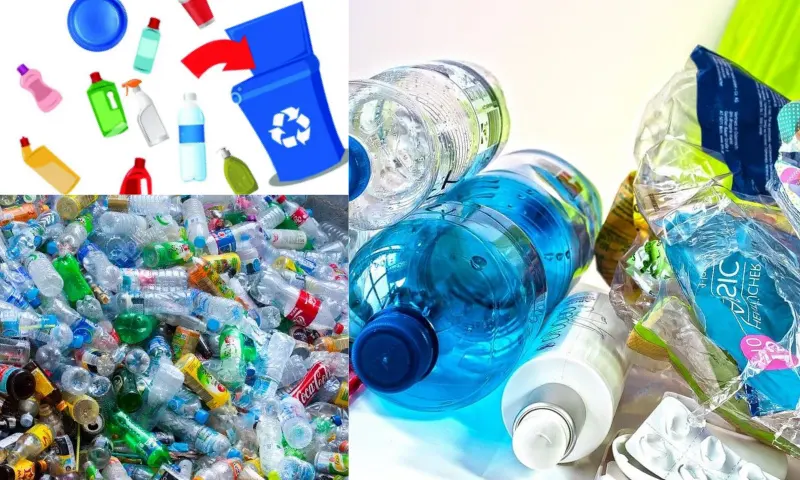
Plastic recycling is the process of reprocessing used or waste plastic materials to make them usable again. Because plastic is a material that breaks down very slowly in nature, it causes serious environmental problems when left in nature. The recycling process includes the collection, sorting, cleaning, and reprocessing of these wastes. In this way, both the conservation of natural resources is contributed to, and environmental pollution is reduced. Plastic recycling is an important part of sustainable living and environmental awareness. You can look at related online companies on the internet pages to get information on this subject and ask the questions you are curious about, and examine them in detail from here.
Benefits of Recycling Plastic Products
Recycling plastic products provides many environmental and economic benefits. First of all, it reduces the use of natural resources and saves energy. Recycled plastics can be used as raw materials in the production of new products, thus reducing the amount of waste. Furthermore, water and soil pollution is prevented by preventing plastic waste from being released into nature. Increasing recycling awareness in society enhances environmental awareness and contributes to leaving a cleaner environment for future generations. Recycling also creates employment and supports the economy.
Points to Consider in Plastic Recycling
Some important points should be paid attention to in the recycling of plastic products. First, plastics must be sorted according to their types; different plastics such as PET, HDPE, and PVC require different processes. Uncleaned and mixed plastics complicate the recycling process and reduce efficiency. Also, reducing single-use plastics supports the recycling process. Sorting plastic waste at home, putting it in recycling bins, and spreading recycling awareness increases the effectiveness of the process. Correct practices protect the environment and guarantee the success of plastic recycling.