The Importance of Radio and Television Education
The radio and television sector, as one of the most effective tools of the media, has the capacity to reach a wide audience. Therefore, radio and TV education is of great importance for individuals who want to enter the media sector as well as those who want to enhance their competencies in this field. Education enables effective communication using audio and visual media tools, content production, and understanding media interaction. Furthermore, radio and TV education provides technical skills to individuals who want to pursue a professional career in this field, enabling them to be competent in various job areas such as editing, announcing, producing, and hosting. Therefore, the fundamental knowledge and skills necessary to succeed in the media world are acquired through radio and TV education. You can examine relevant online companies on internet pages to get information on this subject and ask your curious questions, and conduct a detailed review from there.
What to Learn Within the Scope of Radio and TV Education
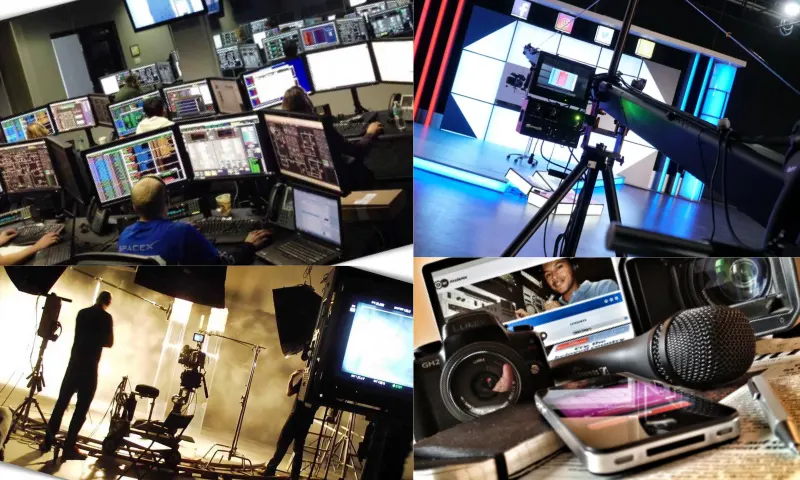
Radio and TV education is a comprehensive program that covers many different areas. At the core of the education are various subjects such as sound and image management, content production, news anchoring, television program production, and radio broadcasting. Students learn fundamental skills such as the correct use of sound, diction, vocal techniques, communication with the camera, and lighting arrangements. Simultaneously, practical knowledge such as program creation, content development, writing news scripts, conducting interviews, and video editing can also be taught. In today's digital media world, having knowledge about social media management and online broadcasting is also very important. These trainings facilitate students' ability to follow industry innovations and adapt to the rapidly changing media world.
Career Opportunities in Radio and TV Education
Radio and TV education offers its graduates various career opportunities. This education enables students to find work not only in the radio and television sector but also in rapidly developing areas such as digital media and internet television. Graduates can serve as producers, program directors, cameramen, editors, sound technicians, directors, or anchors in television channels. Additionally, opportunities exist for announcing, DJing, or program production in radio stations. They can also build careers as content creators and managers on digital media and social media platforms. Radio and TV education helps individuals who want to develop themselves in this field by providing them with creative and technical skills, enabling them to easily adapt to the dynamic structure of the industry. Radio and TV education is a crucial training process for those who want to pursue a career in the media sector. Individuals equipped with both theoretical knowledge and practical skills can distinguish themselves in the media world and build successful careers.