What is a Seat Sensor?
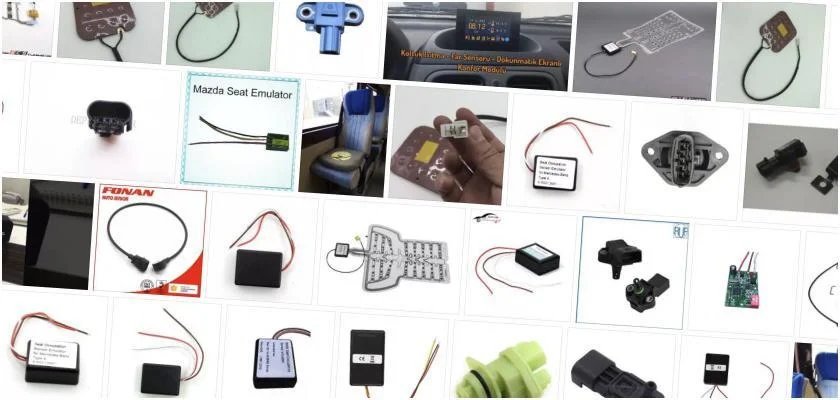
In electronic applications, a sensor is a system or element that performs detection operations quickly and effectively. It is also known as a detector, and sensors are one of the systems that act as the sensory organs of electronic devices. It is now frequently used in service vehicles as a seat sensor. Sensors act as a bridge connecting kinetic energy in physical environments to electronic devices, detecting external effects that the sensor in the systems is sensitive to, and sending the obtained values to the decision-making parts of the system.
What to Know About Seat Sensors
It is essential that all desired findings are understandable by humans, which is why sensors operate according to various variables, and the most suitable sensors should be selected for the areas of use. The seat sensor, like systems used in other fields, expresses variables in different units, and it is shown among these units why the sensors will be used.
New Regulation on Seat Sensors
In accordance with the new regulation on seat sensors, seat occupancy and 3-point seatbelt occupancy systems use sensors placed under each seat to provide information to the electronic panel in the driver's area when a passenger sits on the seat, illuminating a light that indicates whether there is a person in those seats. If the driver turns off the vehicle, and one of the seats is occupied, the devices give an alarm and a siren sounds, thus indicating that there are passengers in the vehicles.