WHAT ARE CONCRETE TESTING DEVICES USED FOR?
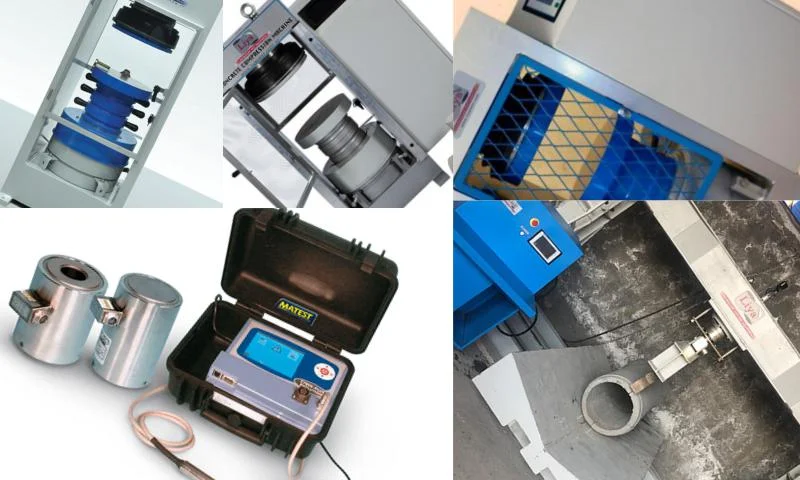
Concrete testing devices, which allow concrete to be evaluated from different perspectives, have many different types. These types include options such as bottle vibrator, cylinder splitting test apparatus, cylinder sample containers, and cylinder capping set. In addition to these, a compaction factor device, weight stand, sample molds, and cube test apparatus can also be used for concrete. These devices, frequently preferred especially in the construction sector, ensure that concrete is much more resistant to environmental conditions and other negative factors. Test devices, which can be preferred in every area where concrete is used, are effective in performing fresh concrete tests. For information on this subject and to ask your questions, you can examine the relevant online companies on the internet pages and conduct a detailed review from there.

Concrete Testing Process
Before concrete is tested, the process begins by taking a sample from the still fresh concrete. After the first slump test, called slump, is successfully completed, it is the turn of the pocket test. In the pocket inspection, information is gained about the degree of compaction of the concrete. Concrete that has successfully passed the compaction process is then subjected to a different test device for density measurement. Pressure methods are applied to determine the air content. Concrete that has successfully passed all concrete test devices are ready for use and presented to the customer, or they can be preferred by the company itself.
Where Are Concrete Testing Devices Used?
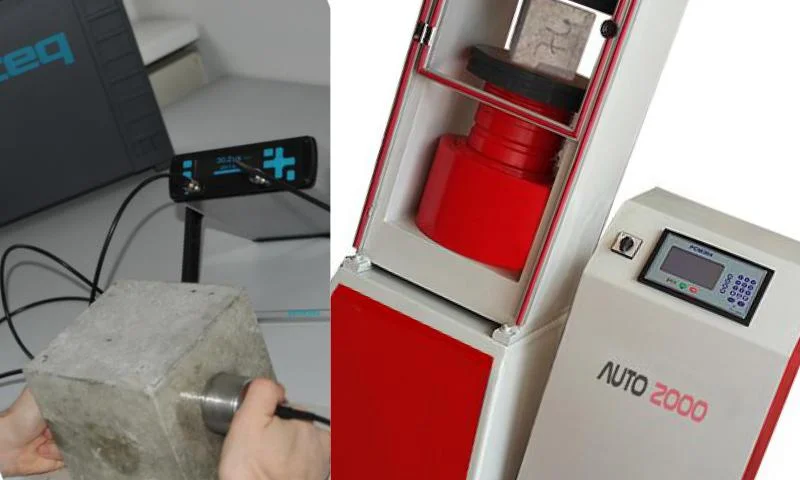
Concrete testing devices are used in every field where concrete is present. These devices, used in many fields of engineering, especially in civil engineering, have different types. These types include devices that measure the slump of concrete, devices that measure whether the concrete mix complies with the relevant standards, and devices that measure the resistance of concrete to impacts that may occur due to environmental factors.